Dental Scaling

Professional dental scaling is perhaps one of the most basic and important dental treatments.
Dental scaling

Why is dental scaling important?

After eating and drinking so-called plaque forms from the remnants of the food and sticks to the teeth. To this plaque, minerals from saliva adhere, which solidify into tartar.

Tartar sticks in the interdental spaces, under the gums and in places that are harder to clean because cannot be reached well with toothbrushes. To remove tartar, professional tools and a dental hygienist are needed who not only performs the professional cleaning, but also gives patients useful oral care advice. With it further and more serious dental problems can be prevented.

That is why it is important to visit a dental hygienist at regular intervals.


What happens during scaling?

1.

Filling in a health form

When you first come to our dentistry, you will first be given an anamnesis questionnaire and a consent form to fill out, which will inform you about the dental hygiene treatment process and what to do after the treatment.

2.

Questions about your health

When you sit in the chair our dental hygienist will review your dentition and oral condition, then puts up some question about your general condition of health before getting to work.

3.

Tartar removal with a special instrument

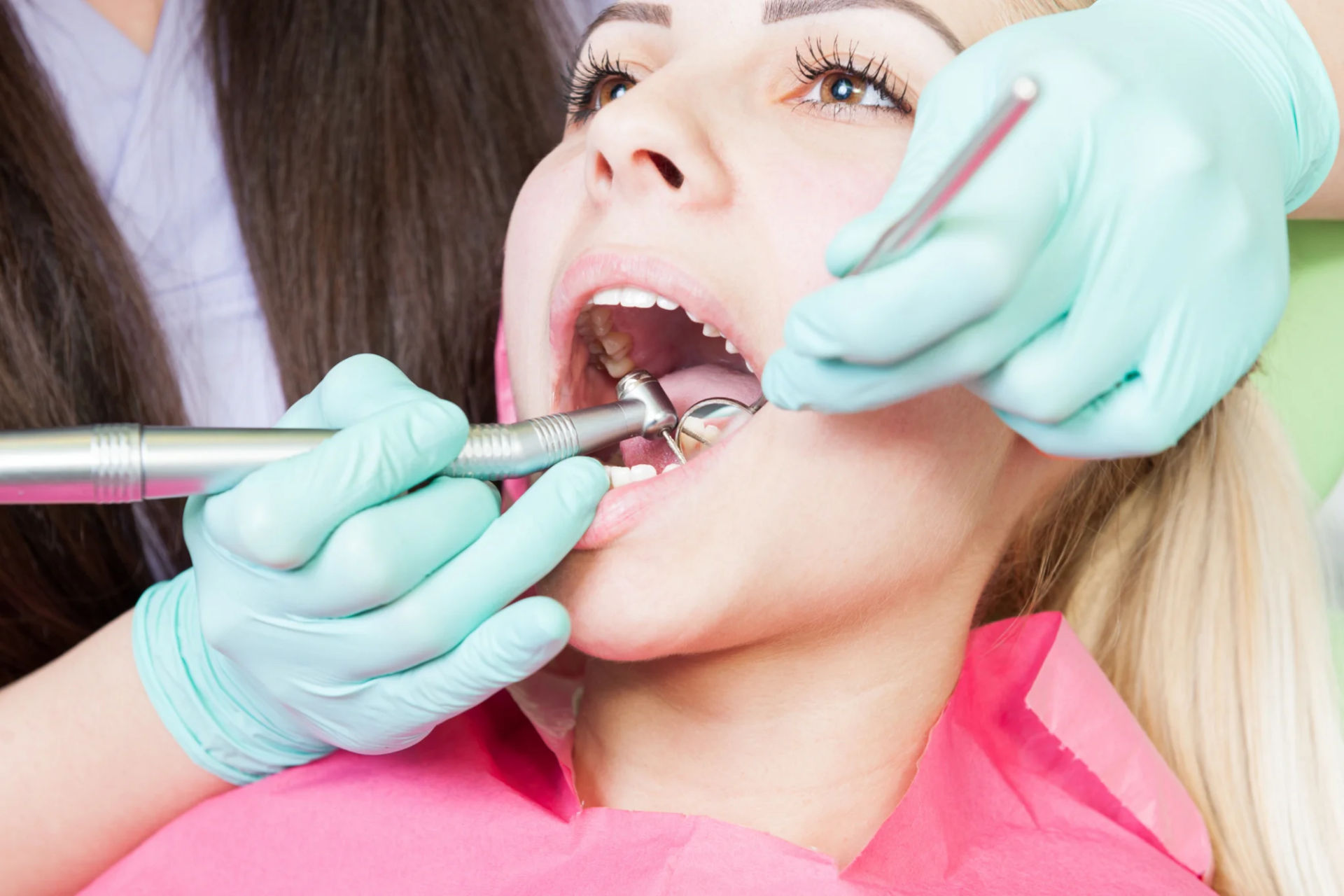
We use a depurator with vibrating motion to remove your tartar without damaging the tooth enamel. It is followed by sand blasting. These steps help remove tartar and bacteria stuck on and between teeth and help get rid of yellowish stains.

4.

Polishing

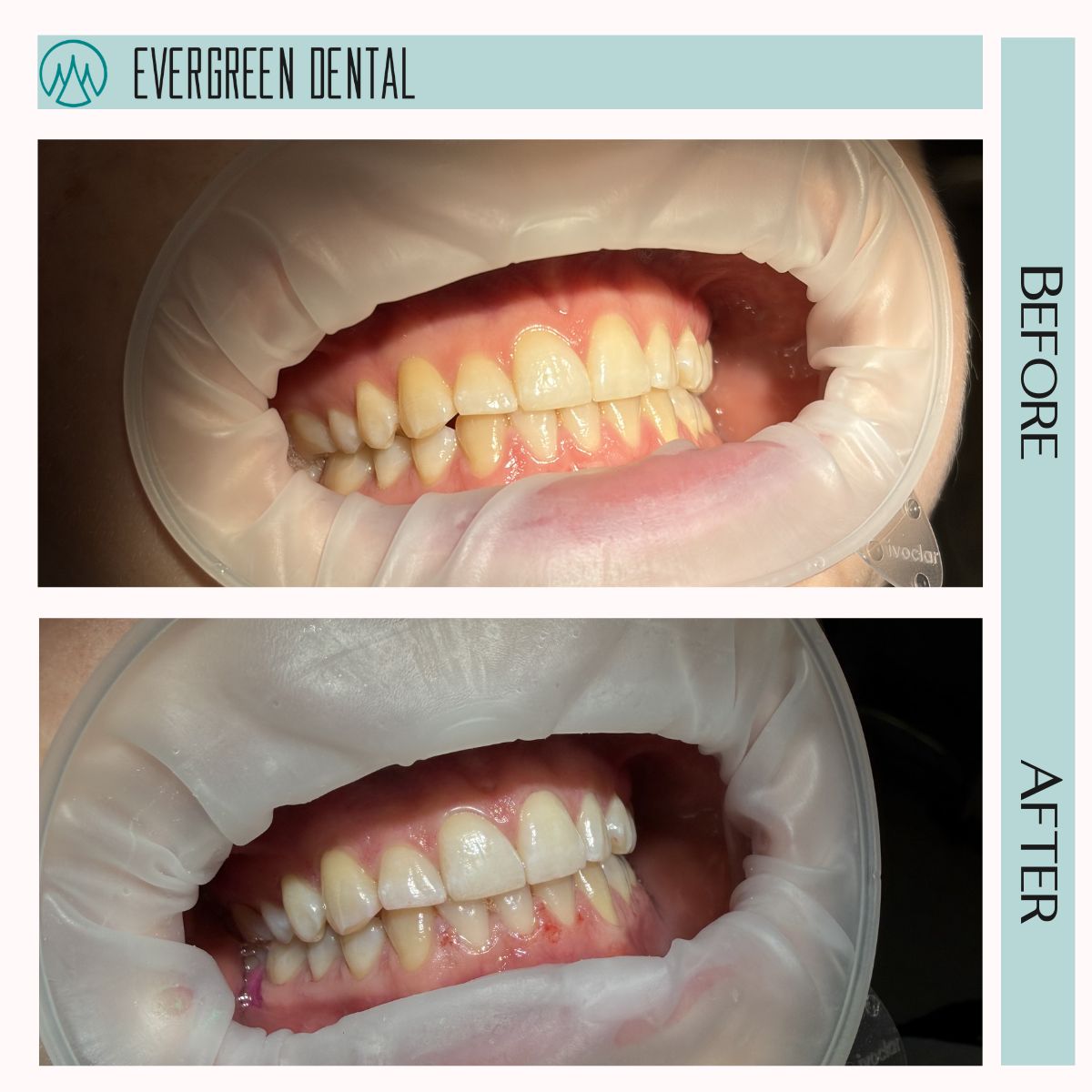
At the end of the treatment, the surface of the teeth is polished smooth using paste, special brushes and rubber brushes to reduce the chance of plaque re-sticking. This will make the surface of your teeth smoother and whiter thanks to the thorough cleaning.

5.

Giving advice

Once the treatment is complete, our dental hygienists will give you advice how to maintain good oral hygiene, how to clean your teeth and show you some small tools that are useful (e.g. interdental toothbrush, dental floss).

Frequently asked questions

In addition to our own teeth, tartar can also build up on dentures, restorations, crowns and bridges.

The need for dental hygiene treatment depends on the individual. The composition of the saliva in the mouth and the deposits in the interdental spaces may justify dental hygiene treatment, but its frequency may also depend on individual circumstances such as:

  • Predisposition to tartar formation: by some people tartar is developing more quickly than by others. This predisposition can be influenced by genetics, diet, lifestyle and certain diseases such as diabetes or thyroid disease.
  • Oral hygiene habits: Careful oral care routines help prevent tartar formation. In addition to regular brushing and flossing, regular dental check-ups and cleanings are important.
  • Having dentures: there is a greater chance of increased tartar build-up if you have any kind of dentures. For this reason, these artificial teeth should be cleaned with particular care and checked regularly by your dentist.

The general recommendation is one or two treatments a year. Your dental hygienist will give you accurate, personalised information about it after reading your anamnesis form and checking your teeth.

To sum up, general health condition, the composition of the saliva in the mouth and the deposits in the interdental spaces justify dental hygiene treatment (ultrasonic scaling, pearl sandblasting, polishing), the frequency of which is determined by the dental hygienist.

Many dental problems can occur as a result of tartar build-up and inadequate oral care.

The most common dental problems are tooth decay, bleeding gums, periodontal disease and even bad breath.

It is recommended to start tartar removal at the age of 10/12 years, as tartar can appear at this age. The susceptibility to tartar formation varies from person to person.

Calculus removal helps prevent tooth decay, gingivitis and periodontal disease. That’s why it’s important to teach children to brush their teeth properly from an early age and to take them to the dentist regularly.

The treatment is not painful, but of course this also depends on the individual. If you have experienced a lower pain threshold, our dental hygienist can apply a mild anaesthetic numbing gel to reduce the discomfort.

We’ve done a good job if at the end of the treatment you run your tongue over your teeth and feel each small gap, each tooth, separately with your tongue.

The surface of your teeth will feel smooth and pleasant.

You may feel some discomfort for a few days, such as swelling, slight bleeding, tooth sensitivity, but this will go away after a few days.

Ultrasonic depurator.

One of the biggest risks of neglected oral hygiene is tooth decay and gingivitis. If tartar is not removed, the gums begin to recede which is the sign of atrophy.