
 EN
EN
 DE
DE AT
AT CH
CH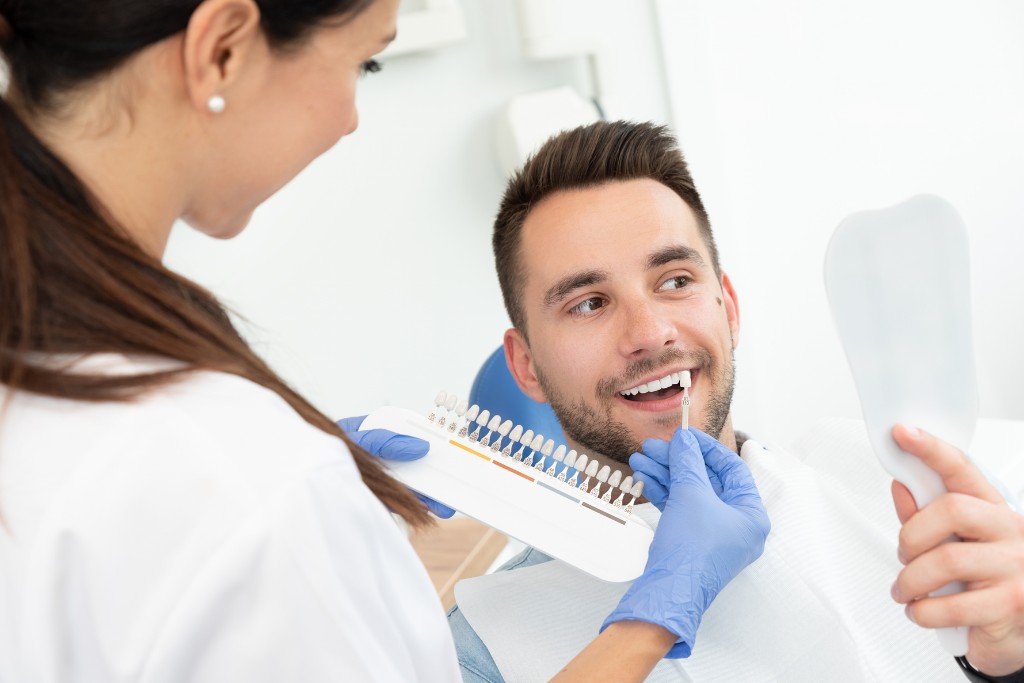
Teeth Whitening: The Key to a Confident, Radiant Smile?
Teeth whitening is one of the most popular cosmetic dental treatments today. But is professional teeth whitening really necessary, or is it simply driven by the desire for a perfect “Hollywood smile”? The truth lies somewhere in between.
The role of teeth whitening in a healthy smile
When performed under proper conditions, teeth whitening is safe for healthy teeth. For patients who want a brighter, whiter smile, professional teeth whitening offers a reliable and effective solution.
Whiter teeth are not only aesthetically appealing but also enhance the perception of oral health. This often leads to a noticeable boost in self-confidence, making teeth whitening a popular choice in modern cosmetic dentistry.
However, it is essential that any whitening treatment is carried out by a dental professional. Over-the-counter whitening kits may contain strong chemicals that, when misused, can damage tooth enamel or irritate the gums.
Prerequisites for safe and effective teeth whitening
Before starting any teeth whitening treatment, a healthy oral environment is essential. This includes:
- No tooth decay (cavities)
- Healthy, inflammation-free gums
- Consistent and proper oral hygiene
Regular interdental cleaning (using dental floss or interdental brushes) and a thorough daily oral care routine are key to maintaining long-lasting whitening results.
Can you achieve whiter teeth without whitening?
In some cases, professional teeth whitening may not be necessary. Surface stains caused by coffee, tea, or smoking can often be removed with professional dental cleaning.
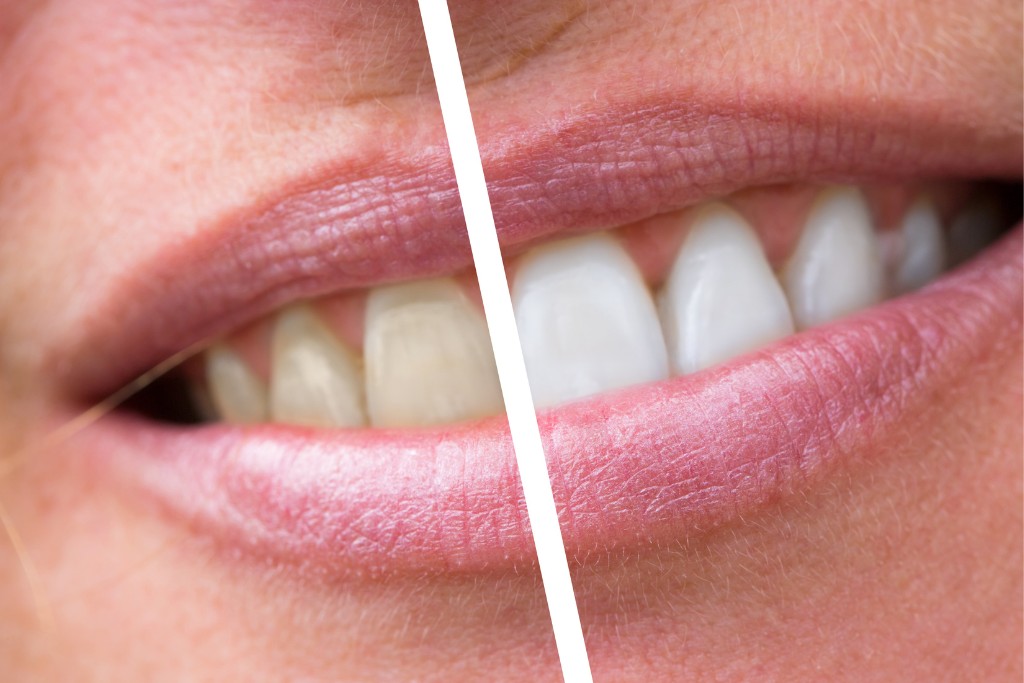
Airflow treatment (guided biofilm therapy) is a gentle yet effective method that removes discoloration and can significantly improve the natural whiteness of teeth, sometimes without the need for whitening procedures.
Natural teeth whitening methods: do they work?
Natural whitening products, such as powders containing activated charcoal or turmeric, have gained popularity in recent years. While these may remove surface stains, they primarily work through abrasive action.
Long-term use can lead to:
- Enamel erosion
- Increased tooth sensitivity
- Limited or no deep whitening effect
For this reason, these methods should be used cautiously and preferably under professional guidance.
Professional teeth whitening with BlancOne
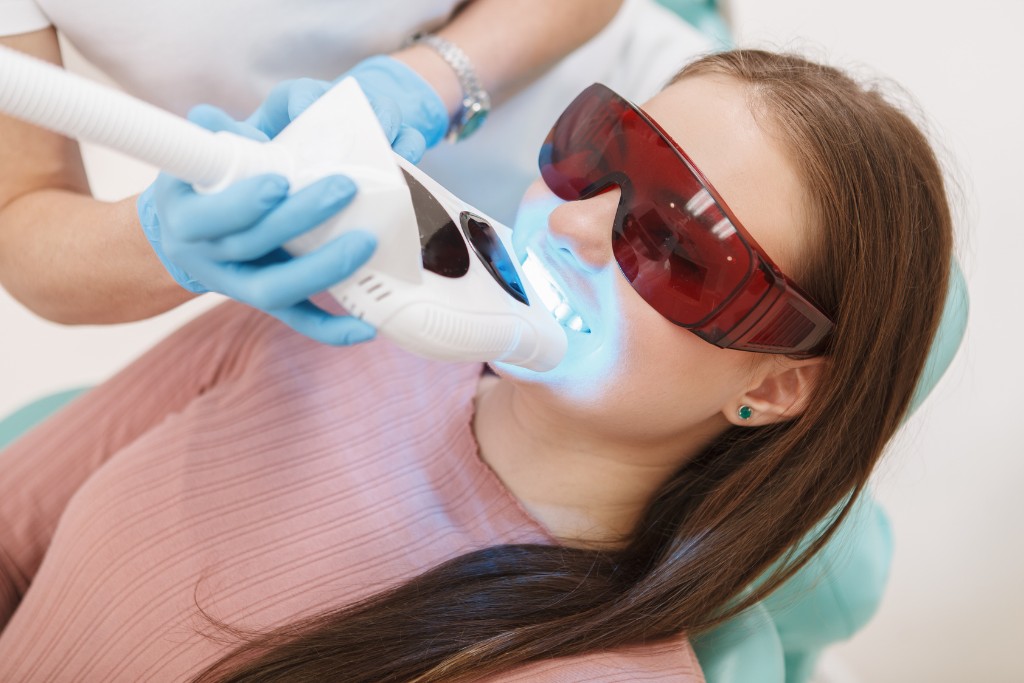
At our clinic, we offer professional teeth whitening treatments using the BlancOne system, a clinically proven solution that differs significantly from over-the-counter products.
All treatments are performed by trained dental professionals in a controlled clinical environment, ensuring maximum safety and optimal results. BlancOne technology is based on advanced research and avoids highly acidic or high-peroxide formulations, making it gentle on both enamel and gums—even with repeated use.
Available Treatments
BlancOne Click
- Immediate teeth whitening with 16% carbamide peroxide
- Visible results in approximately 10 minutes
- Safe and gentle procedure
- Repeatable every 3–4 months
BlancOne Touch
- Gentle whitening in 3 × 8-minute sessions
- 16% carbamide peroxide formula
- Ideal for a natural-looking, brighter smile
- Minimal to no sensitivity
- Repeatable every 6–9 months
BlancOne Ultra
- Intensive teeth whitening in 3 × 8-minute sessions
- 36% carbamide peroxide
- Effective even for deeper discoloration
- Safely repeatable once per year
How to maintain teeth whitening results
Post-treatment care plays a crucial role in maintaining your results. For the first 72 hours—ideally up to one week—it is recommended to avoid staining foods and beverages such as:
- Coffee and tea
- Red wine
- Cola
- Beetroot
- Berry juices
For long-term maintenance, using a straw when drinking can help minimize contact between staining liquids and the tooth surface.
Healthy Smile, Lasting Confidence
A beautiful smile is not just about white teeth: it reflects overall oral health and self-confidence.
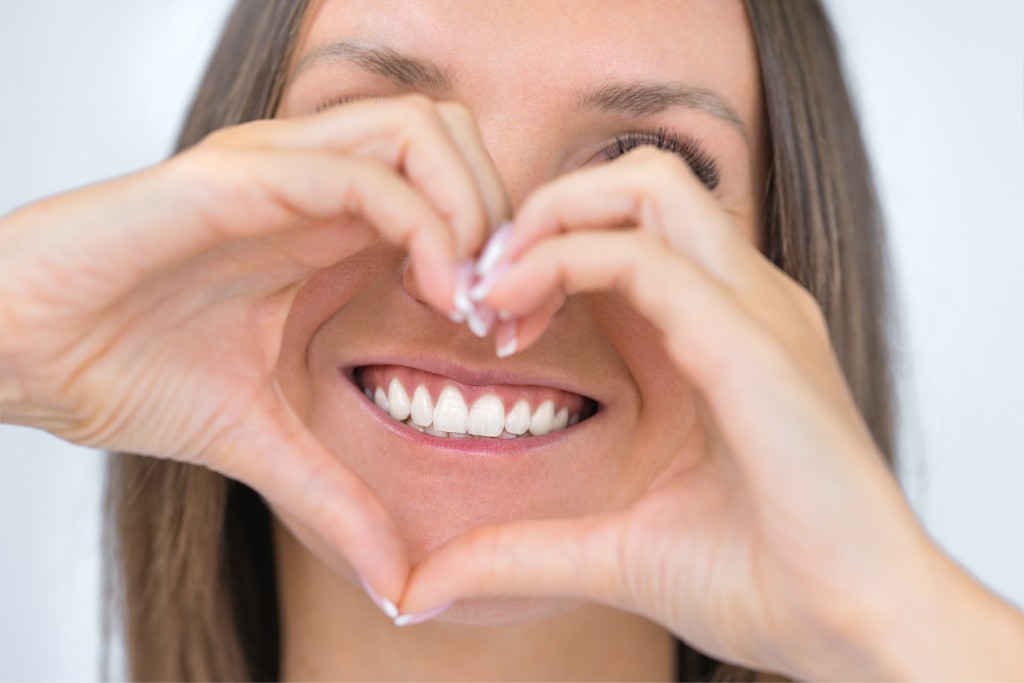
Teeth whitening is more than just a cosmetic trend, it can be a conscious and informed aesthetic decision. When performed professionally, it is safe, effective, and delivers visible results. However, it should always complement (not replace) proper oral hygiene.
The key to successful teeth whitening lies in moderation, professional supervision, and proper aftercare.


