
Bone augmentation

Our bone augmentation treatments—from minor augmentations to complex sinus lift procedures—are performed using high end technology. Precise techniques and individually tailored solutions create a stable, long-term foundation for implants.
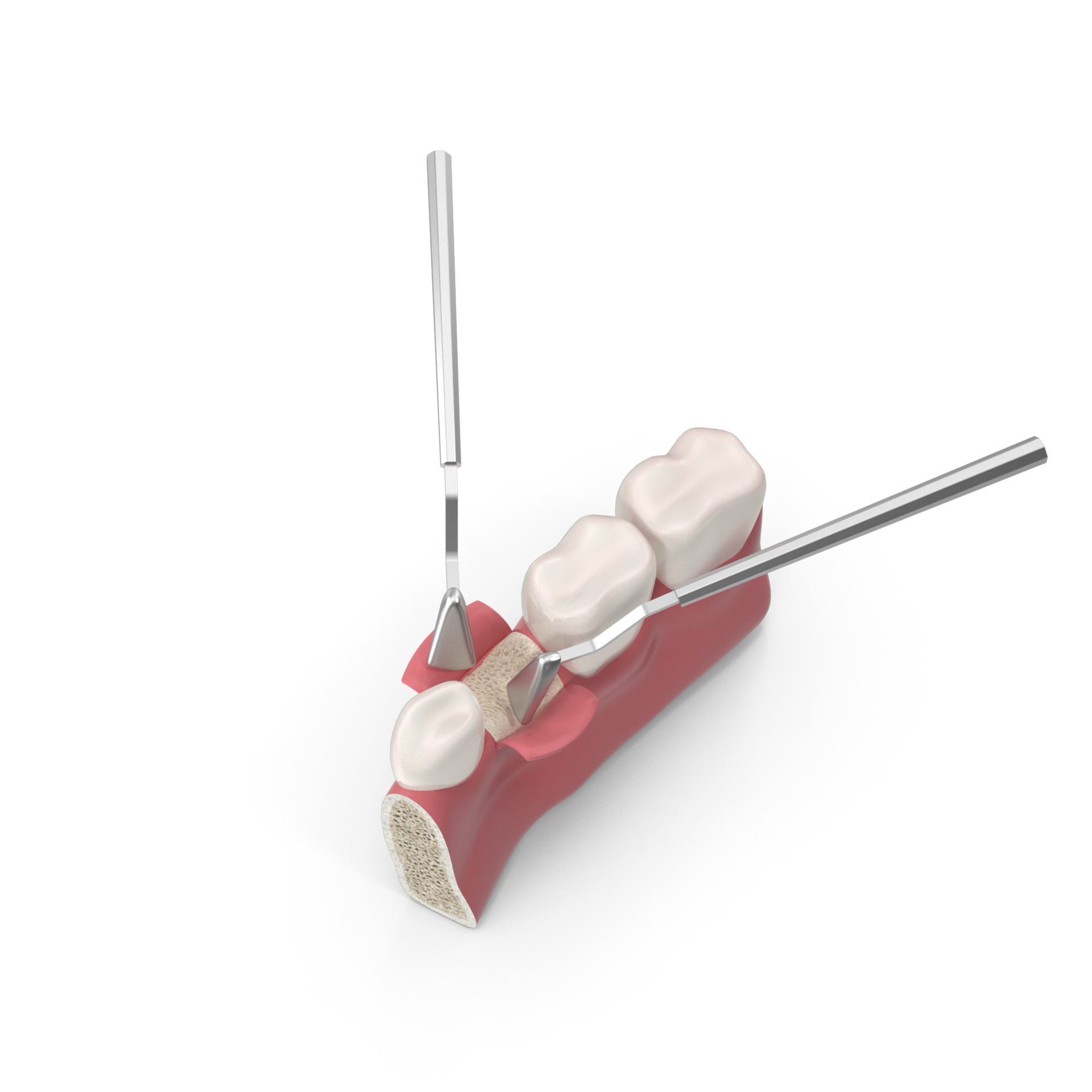
knochenaufbau

What is bone augmentation?

Bone augmentation is a type of oral surgery used in dentistry that makes it possible to place implants when the patient does not have sufficient bone mass (in terms of quantity and/or quality). This means that even patients with insufficient bone substance can have implants placed and receive fixed dentures. The reason for missing bone substance is usually bone loss.


The causes of bone loss can be :

  • Missing teeth over a long period of time
  • Periodontitis, poor oral hygiene leading to tooth and bone loss
  • Result of an accident
  • Calcium deficiency, osteoporosis

The jawbone is constantly challenged by the chewing pressure of the teeth and thus remains strong. If this chewing force is lost, the bone loses its function and slowly recedes, causing the gums to sink. As a result of this deterioration, the bone can become so weak that it is no longer sufficient in quantity and quality to accommodate implants. In these cases, augmentation can be indicated.
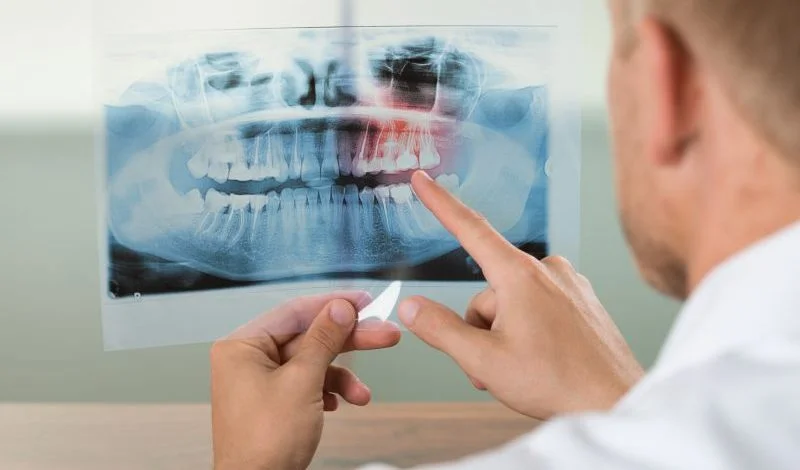
Bone graft

Have no worries.
There is a solution for everything.

Our clinic has the necessary background, and we perform all bone replacement treatments, including those under general anesthesia, at Evergreen Dental. We can help all patients with bone loss at affordable rates compared to international standards, using the most modern methods and performed by outstanding experts.


Further information

Sinus maxillaris means maxillary sinus in Latin, hence the name. A sinus lift involves “building up” the maxillary sinus, specifically building up the jawbone by detaching the mucous membrane from the wall and filling the resulting cavity with bone replacement material. This method is used exclusively in the rear area of the upper jaw. We also distinguish between closed sinus lifts and open sinus lifts.

In a closed sinus lift, the extent of the cavity to be filled is small, so that a thin surgical site is sufficient to perform the necessary filling. In most cases, the implant is inserted in the same place and during the same session.

In an open sinus lift, a second wound site, known as a ’window’ , is opened from the outside, allowing a larger amount of bone replacement material to be added. After filling, the area is secured with membranes and titanium rivets. These membranes often dissolve on their own after the patient’s own bone has grown back and its function is no longer needed.

Depending on the extent of the augmentation, implants can be inserted during the sinus lift procedure. After a healing period of 6 months, the dentures can be attached to the implants, as by then the bone replacement material will have been replaced by the patient’s own bone cells and the implants will be integrated into the bone. We refer to the latter as osseointegration.

These special techniques are used in specific cases. If the jaw is sufficiently high but too narrow, bone splitting or bone spreading may be used. This involves spreading the bone and inserting the implant in the desired location. The implant is integrated as the fracture site heals naturally.

Bone augmentation is always performed under local or general anesthesia, so this treatment is not painful. However, swelling, bruising, or sensitivity may occur afterward.

In any case, you should expect bruising and swelling during the first week, which is completely normal with this type of treatment. You should not experience any pain, but you should be careful, as the risk of infection is naturally higher than normal.

You must strictly follow the instructions of the treating oral surgeon. For several weeks, you should not sneeze, blow your nose, play sports, carry heavy objects, or consume certain foods and beverages, and you should pay extra attention to oral hygiene. Antibiotics are prescribed to prevent the risk of infection.